Deck Builder Tips: Secrets to a Flawless Outdoor Living Space
Developing a stunning outdoor living space demands deliberate planning of multiple design elements. Professional deck constructors emphasize the importance of identifying long-lasting materials that additionally boost aesthetics. Strategic spatial arrangements can elevate a simple deck into a multipurpose living space. However, numerous homeowners disregard vital elements that profoundly influence comfort and longevity. Appreciating these elements is essential for achieving the intended result. What are the defining principles that can elevate an outdoor space from common to exceptional?
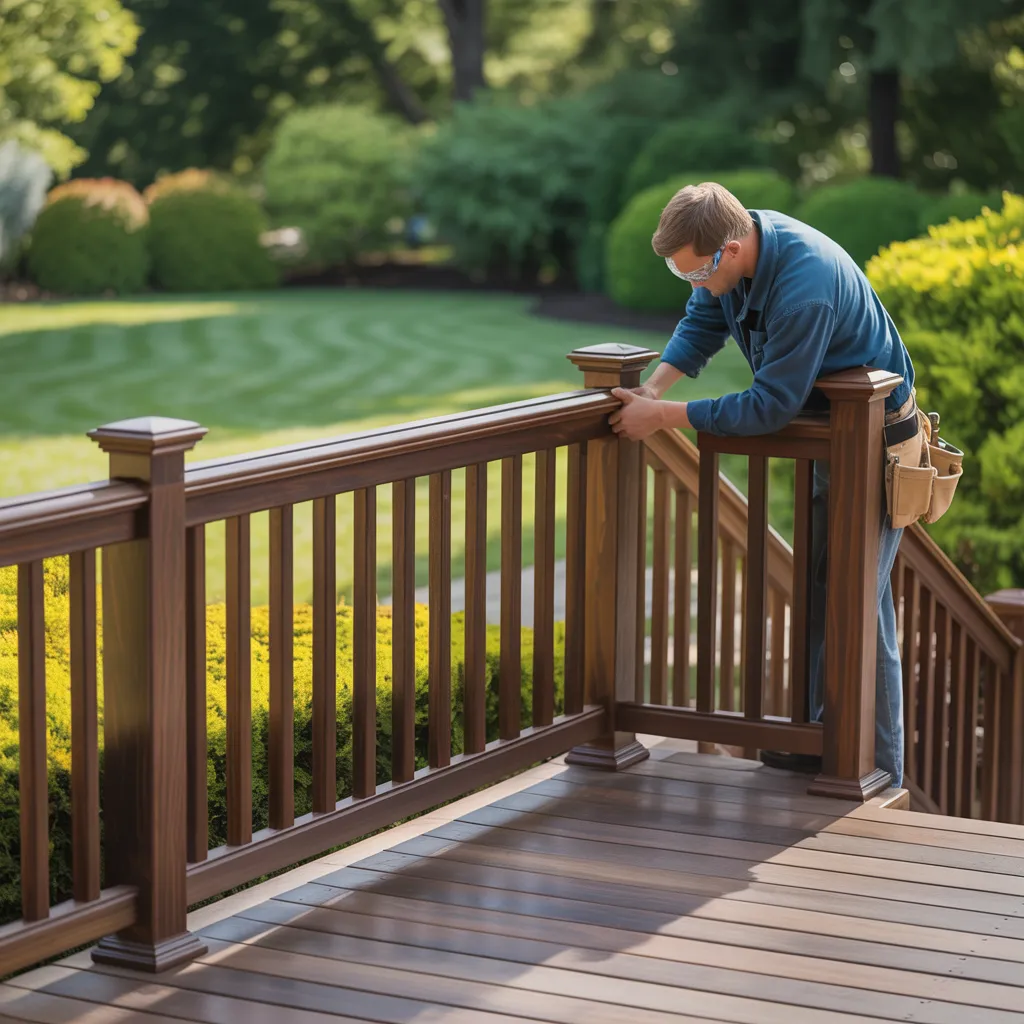
How to Pick Sturdy and Attractive Materials for Your Deck
When selecting materials for a deck, how can homeowners balance durability with aesthetics? It is a common challenge for homeowners to find materials that are both resilient against the elements and visually appealing for their outdoor space. Composite decking, for instance, offers a blend of durability and design, resisting rot and fading while mimicking the look of wood. Natural hardwoods, such as teak or cedar, provide stunning aesthetics but require regular maintenance to maintain longevity.
Furthermore, steel railings can introduce a stylish element while ensuring durability and support. Property owners should also weigh factors like climate, maintenance requirements, and budget when choosing their materials. At the end of the day, a deliberate blend of materials can yield a deck that remains visually pleasing over time, standing up to both outdoor conditions and changing tastes. Harmonizing these aspects will create a deck that is both durable and aesthetically pleasing.
Designing Your Deck for Maximum Functionality
In creating a deck for maximum functionality, deliberate consideration of space utilization is necessary. Incorporating multi-functional features can enhance usability, while a well-planned flow design ensures seamless movement throughout the space. These elements work together to create a practical and enjoyable outdoor space.
Optimize Space Utilization
Maximizing space utilization on a deck converts it into a multipurpose retreat for unwinding and socializing. To accomplish this goal, strategic planning is material key. Designers often recommend creating distinct zones for multiple functions, such as lounging, dining, and gardening, to improve functionality. Adding built-in benches can free up floor space, while upright features such as shelves or plant stands take advantage of available height. Furthermore, choosing pieces that are simple to reposition or put away helps maintain flexibility for gatherings. Choosing multi-tiered designs creates multiple tiers, adding visual interest and functional space. In the end, mindful placement and purposeful selections guarantee that every square foot serves a purpose, improving both the visual appeal and functionality of the exterior living space.
Add Multi-Functional Features
Converting a deck into a versatile space requires the inclusion of diverse features that accommodate various needs. One effective approach is to incorporate built-in seating with storage options, enabling both relaxation and organization. Moreover, incorporating a dining area that can function as a workspace boosts utility, making the deck ideal for meals or remote work. Adding adjustable shade structures can ensure comfort throughout different times of the day, while outdoor kitchens or bar areas encourage social gatherings. Furthermore, consider adding planters that can function as privacy screens, blending aesthetics with utility. By thoughtfully designing these elements, a deck can become a versatile outdoor extension of the home, supporting a wide range of activities and lifestyles.
Emphasize Flow Design
A thoughtfully crafted deck prioritizes flow, ensuring that movement between different areas remains comfortable and effortless. This is accomplished by carefully positioning furniture, pathways, and features that direct movement and sightlines. Experts suggest creating distinct areas for dining, lounging, and cooking, while maintaining open spaces to avoid congestion. Additionally, using materials and colors that harmonize with the house's facade enhances visual continuity. Incorporating accessible pathways or tiered levels can enhance ease of movement, while curved configurations foster a sense of community. Lighting considerations are equally important; brightened routes and comfortable retreats encourage evening use. At its core, prioritizing thoughtful layout elevates practicality and comfort, transforming the deck into a seamless extension of the home.
Including Vital Elements for Outdoor Comfort and Visual Appeal
When designing an inviting outdoor environment, the role of comfortable seating setups cannot be understated. Combining these selections with mood-enhancing lighting solutions elevates both the comfort and aesthetic, turning the deck into a flawless escape. Together, these features turn a basic deck into an inviting sanctuary.
Inviting Seating Configurations
Creating inviting outdoor spaces often copyrights on well-chosen seating layouts, as they can significantly improve both aesthetics and comfort. A carefully arranged seating zone invites relaxation and fosters social interaction. Incorporating a mix of lounge chairs, sofas, and benches can suit diverse tastes and needs. Long-lasting materials, such as weather-resistant fabrics and treated wood, ensure durability while preserving aesthetic appeal. Furthermore, organizing seating in a curved or grouped arrangement can promote conversation and warmth. Strategic placement near focal points, like outdoor fireplaces or landscaped areas, enhances the overall area. To complete the look, adding soft cushions and throws not only boosts coziness but also completes the overall look, establishing a warm environment that entices visitors to remain.
Ambient Illumination Options
Cozy seating arrangements naturally benefit from well-chosen ambient lighting, which improves both practicality and visual appeal. Soft, warm lights create a welcoming atmosphere, making outdoor spaces inviting after sunset. String lights remain a favored option, draping effortlessly across beams or trees to provide a whimsical touch. Solar-powered lanterns and pathway lights offer both practicality and style, illuminating walkways while reducing energy costs. For a contemporary flair, LED lights can be incorporated into deck railings or stairways, enhancing safety and design. Additionally, dimmable options allow for customizable brightness, accommodating a range of atmospheres. Incorporating these lighting solutions not only elevates outdoor comfort but also extends the usability of the space, making it perfect for entertaining or peaceful nights beneath the night sky.
Readying Your Deck for Each Season?
Consistently maintaining a deck throughout each season preserves its lifespan and attractive appearance. As spring arrives, cleaning and inspecting for winter damage is vital. Clearing away debris and using a wood cleaner can restore the surface. Summer preparations involve sealing or staining to protect against UV rays and moisture. Regular maintenance, like sweeping and checking for loose boards, helps maintain safety and appearance.
When fall arrives, a comprehensive cleaning is required to get rid of fallen leaves and stop mold from developing. Using a protective sealant can provide defense against winter weather. Throughout winter, placing a tarp over the deck or using a snow blower for snow removal can avoid ice from forming. Routinely checking the structure for any signs of wear is crucial. By implementing these seasonal preparations, homeowners can be confident their deck stays a stunning and useful extension of their home throughout the year.
Comprehending Local Regulations for Deck Construction
When preparing for deck construction, knowing local regulations is crucial for ensuring compliance and safety. These regulations can vary considerably by location, making it important for builders to investigate specific requirements in their region. Zoning regulations commonly establish setbacks, height constraints, and permitted material types, ensuring that decks neither encroach on adjacent properties nor breach community standards.
Moreover, securing the required permits is a critical step in the process. Failing to obtain the proper permits can lead to fines, forced demolition, or complications when selling the property. Property owners are advised to seek guidance from local building departments or professionals who understand the intricacies of local codes.
Lastly , following safety standards , such as railing heights and load capacities , is critical to safeguard those using the space . Through a comprehensive understanding of these requirements , builders can create a safe, enjoyable outdoor space that increases the value of the property .
Caring for Your Deck to Ensure Long-Lasting Enjoyment
Even though a brand new deck can elevate your outdoor area, caring for it is vital for guaranteeing its longevity and aesthetic appeal. Consistent upkeep practices, such as cleaning and sealing, can prevent damage from moisture, UV rays, and pests. You should sweep the deck periodically to remove debris and prevent mold growth.
Pressure washing annually can effectively eliminate dirt and blemishes, while using a premium sealant every two or three years shields the wood against weathering. Inspecting the deck for loose boards, rusted nails, or structural issues should be a consistent part of your maintenance routine to address concerns before they escalate.
Furthermore, picking the right building materials, like composite decking, can limit maintenance demands. By following these maintenance strategies, homeowners can enjoy their outdoor spaces for many years, sustaining both practicality and aesthetic appeal in their outdoor environments.

Common Questions and Answers
How Do I Integrate Plants Into My Deck Design?
To integrate plants into a deck design, one can use vertical gardens, planter boxes, or hanging pots. Choosing a variety of heights and colors enhances aesthetics, while guaranteeing sufficient sunlight and drainage promotes plant health and growth.
Which Lighting Options Can Improve My Outdoor Living Area?
Lanterns, string lights, and solar path lights enhance outdoor living spaces by producing cozy, inviting settings. Adjustable dimmers and LED lighting offer flexible lighting control, ensuring the area remains functional and aesthetically pleasing during evening gatherings.
How Can I Select Furniture That Matches My Deck?
When choosing furniture that complements a deck, it helps to assess the deck's style, color scheme, and size. Selecting weather-resistant materials and harmonizing colors enhances aesthetics while ensuring durability and comfort for enjoying the outdoors.
What Are the Best Creative Storage Solutions for Outdoor Areas?
Clever storage options for exterior spaces encompass utilizing benches equipped with concealed storage, vertically stacked planters, stylish baskets, and shelves mounted on walls. These solutions make full use of space while preserving order and accessibility of stored items, improving both practicality and visual appeal.
How Do I Add Privacy to My Deck?
To create seclusion on a deck, one can use large planters, climbing plant trellises, or exterior curtains. Moreover, strategically placed screens or bamboo panels can efficiently obscure unwanted views while enhancing the outdoor aesthetic.